Identify what is fixed and what moves
Check the product specification and side view. Some designs have attached cushions that look loose, while others use removable pillows in front of an upholstered frame. Ask which parts come away and what remains underneath.
The West Elm sofa guide includes tight-back and loose-seat details among its sofa design choices. Treat each feature separately: a fixed back can still be paired with removable seat cushions.
Try the back in your normal position
Sit against the back with your feet placed as you normally use them. Notice the angle, height and distance between you and the front edge of the seat. A softly filled back cushion may compress differently from a padded fixed back.
Avoid choosing from a label such as relaxed or supportive without a trial. The combination of seat and back matters. Our seat depth guide helps you compare the usable space rather than only the outside dimensions.
Decide how much resetting you want
A fixed back has no separate pillows to return to position, although the upholstery still needs its prescribed care. Loose cushions may need regular shaping or repositioning depending on their filling and construction.
Ask the retailer to demonstrate the recommended routine. If the sofa is shared, consider whether everyone will be willing to do it. An appealing informal look should not rely on maintenance that you already know you will avoid.
Check access for care and repair
Removable back cushions can make some areas easier to reach, but removal is not permission to wash the covers. Read the care label and ask whether replacement inserts or covers are supplied. A fixed back may need professional upholstery work for certain repairs.
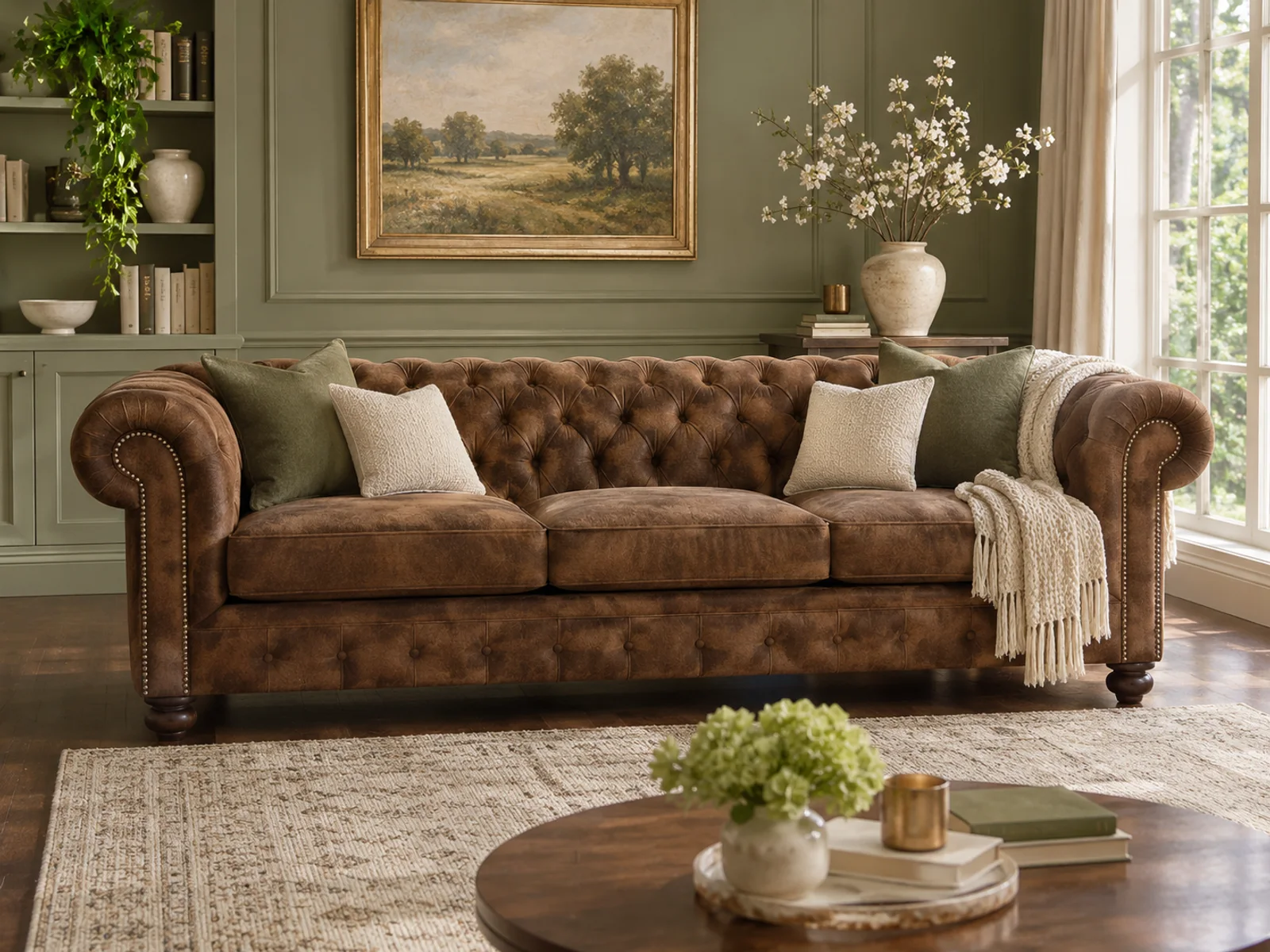
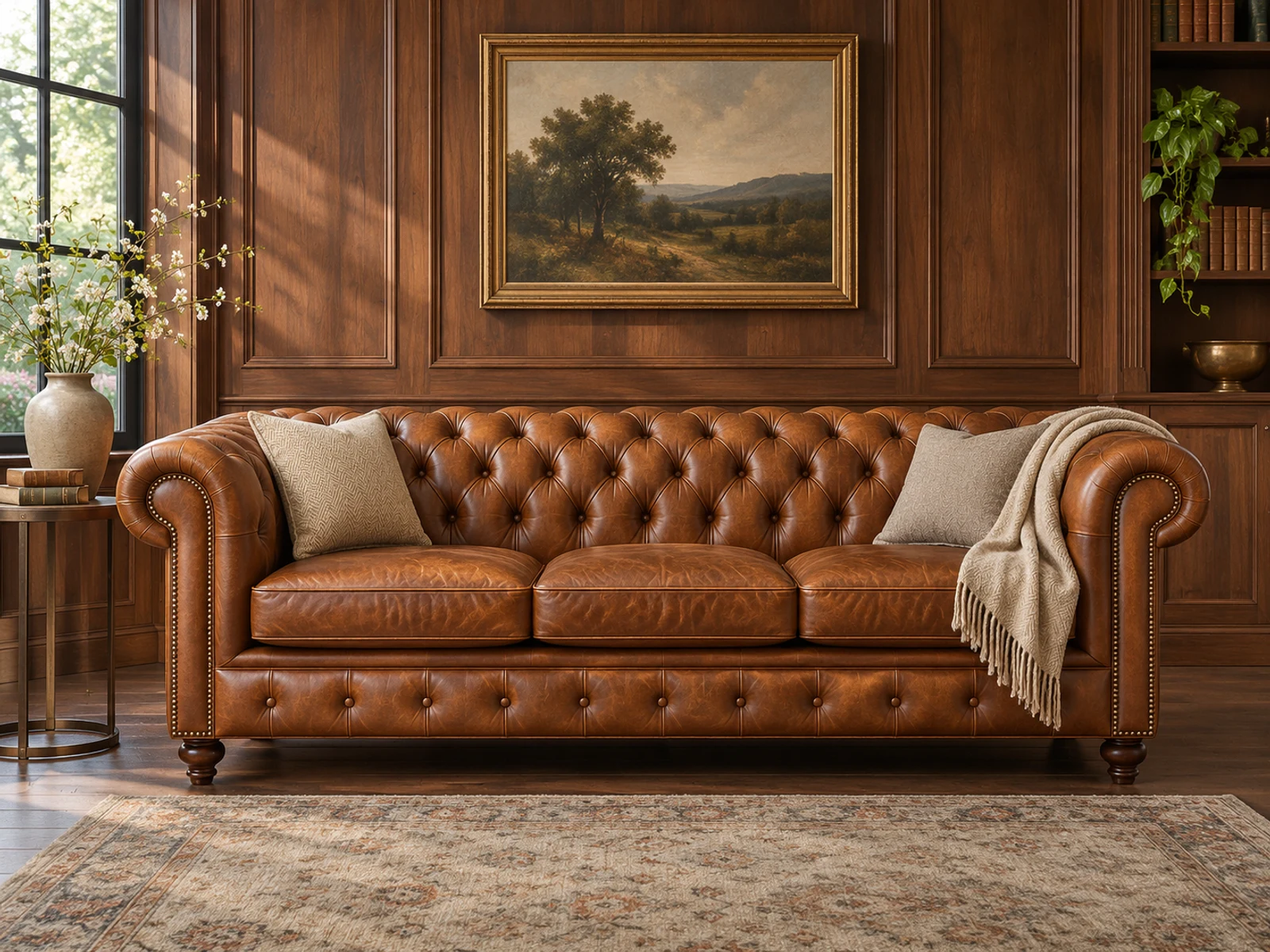
Compare tufted couches if you like a more structured outline. For either format, inspect seams, attachment points and the precise back construction before making assumptions about cleaning or future replacement.
Try support in your normal posture
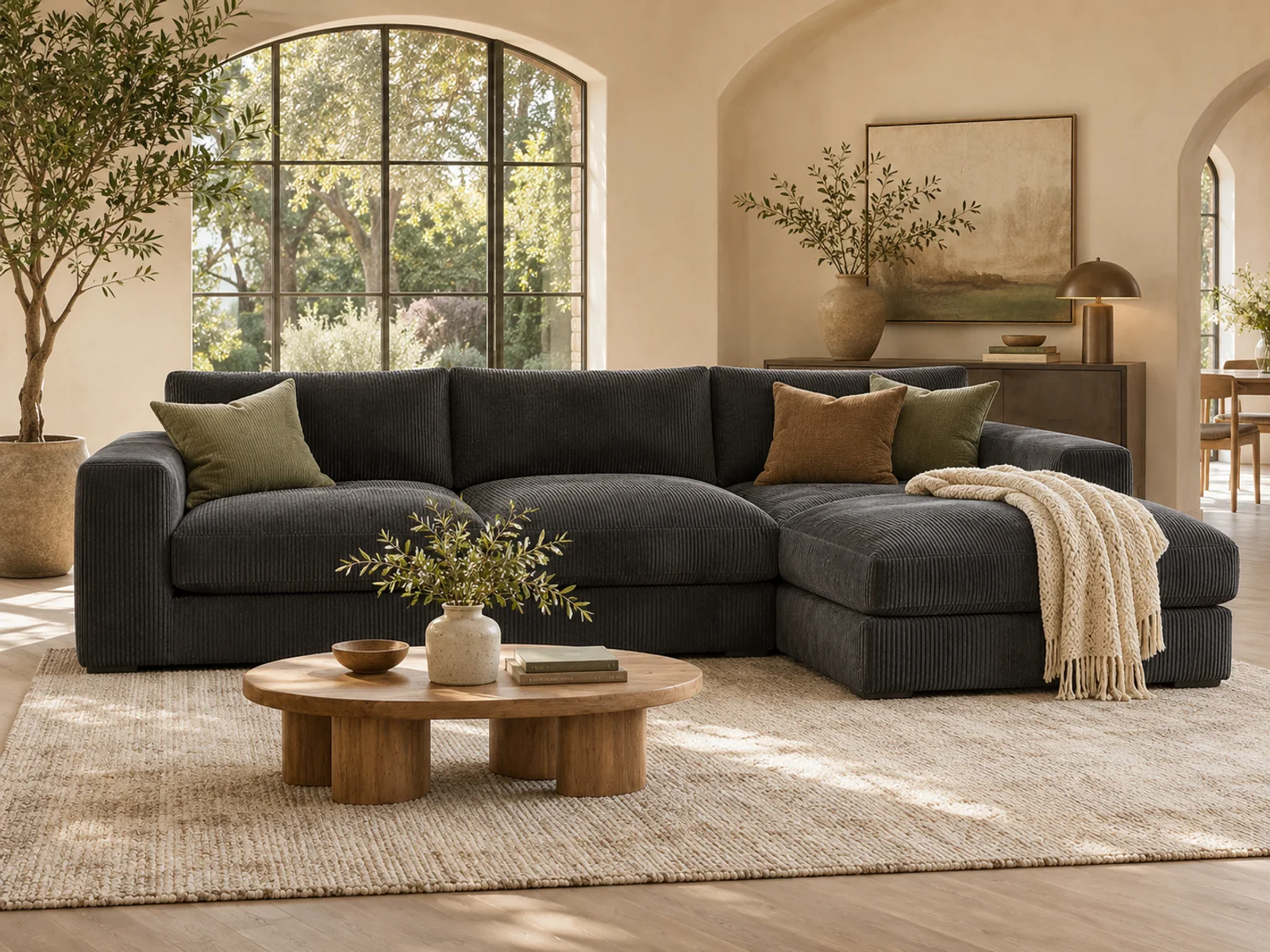
A tight back is fixed to the sofa structure, while loose back cushions can be moved and plumped. Neither term guarantees firmness. Sit at the depth you normally use, with feet on the floor, and notice whether the back supports your shoulders without forcing an awkward angle. Try the sofa for more than a few seconds. Loose cushions can be adjusted for different people, but they may slide or need resetting. A tight back can look neat but may leave fewer ways to change support later.
Think about cleaning and repair
Check whether the loose covers are removable and what their care labels permit. A zipper does not automatically mean machine washing. Ask whether replacement cushions or filling are available, particularly if the sofa will be used heavily. For a tight back, ask what happens if the padding compresses or upholstery tears. Keep a photograph of the exact model construction and warranty terms. The easiest style to live with is the one whose maintenance routine the household will actually perform.
Choose for the room's real use
Try leaning back during a normal conversation, then shift positions as you would for a film or reading. Note whether a loose cushion moves or a tight back leaves a gap at the lower spine. If several people of different heights use the sofa, flexibility may matter. A decorative row of pillows can alter seat depth, so test the sofa with the pillows you intend to keep. The best back style is the one that supports the household without constant adjustment.
Common questions
Is a tight-back sofa always firm?
No. Padding, angle and underlying construction affect the feel. The term mainly describes the absence of separate loose back cushions. Try the exact model rather than using the label as a firmness scale.
Can loose back cushions be replaced with larger pillows?
Only if the manufacturer permits the change and the new arrangement works with the frame. Different dimensions can alter seat depth and support or expose areas not intended for normal contact.
Are attached cushions the same as a tight back?
Not always. Retailers may describe attached pillow-style cushions separately from upholstery fixed directly over the back. Ask how the model is built and which pieces can be removed.
Can I add pillows to a tight back?
Yes, if they improve comfort without making the seat too shallow. Test the sofa with the pillows you expect to use and check that they do not slip constantly.
Are loose cushions more comfortable?
They can be adjusted, but comfort depends on filling, size and seat depth. Compare actual models in a normal sitting position rather than choosing by the label.
Which is better with children or pets?
Consider cleaning access, cover replacement and how often cushions are pulled out of place. Neither construction is automatically pet-proof or spill-proof.
Will an attached back last longer?
Not necessarily. Frame, padding, seams and use matter. Ask about repair options and warranty coverage for the exact sofa.